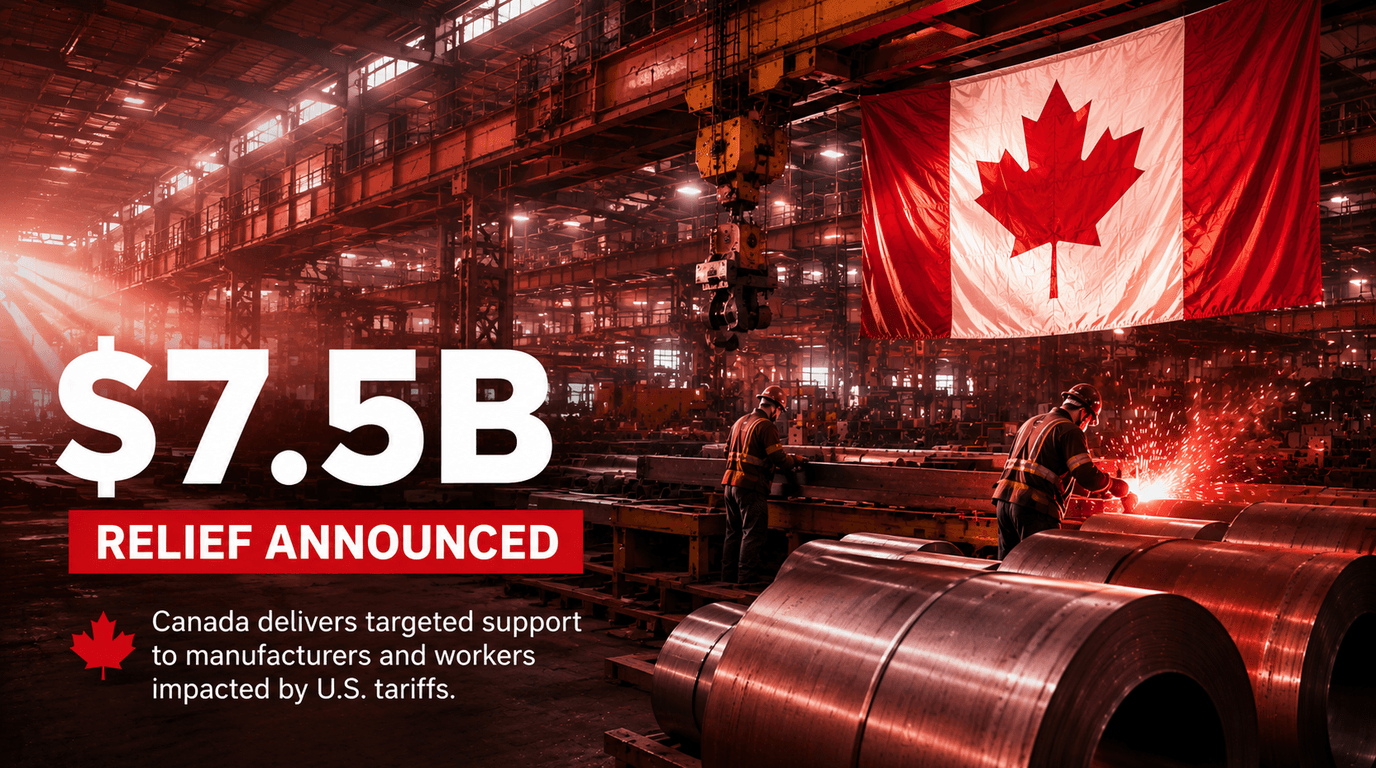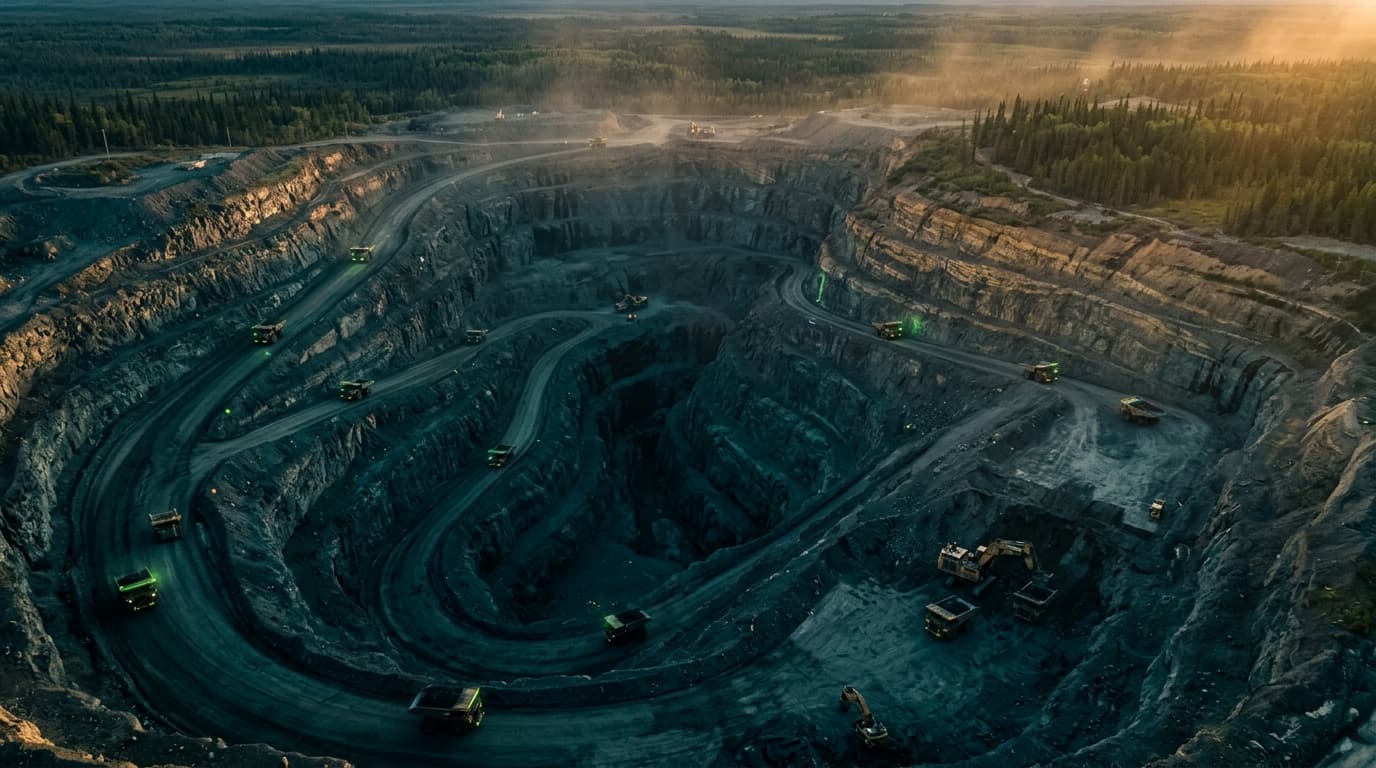
Canada is sitting on the minerals the world needs (lithium, cobalt, nickel, graphite, rare earths) and the federal government is spending billions to make sure those minerals get processed here instead of shipped raw to someone else. Two programs are doing the heavy lifting: the Critical Minerals Infrastructure Fund (CMIF) and the Strategic Response Fund (SRF).
They’re not interchangeable. They cover different project types, different cost categories, and different scales. Here’s how they work, where they overlap, and how to position your project for both.
What is the Critical Minerals Infrastructure Fund?
CMIF is a Natural Resources Canada (NRCan) program focused specifically on the infrastructure that supports critical mineral supply chains. Not the mine itself, but the roads, energy systems, port upgrades, water treatment, and processing facilities that make the mine viable.
The fund operates on a project-by-project basis, with individual contributions typically ranging from $2 million to $50 million+. There’s no fixed intake schedule; NRCan reviews applications on a rolling basis, though they’ve historically tightened windows when budgets are close to being allocated.
What projects are eligible for CMIF?
- Transportation infrastructure connecting mine sites to processing or export points
- Clean energy infrastructure powering mining or processing operations
- Water and waste management systems for mineral extraction
- Processing and refining facility construction or upgrades
- Shared-use infrastructure that supports multiple operators in a mining region
The common thread: your project must be tied to a critical mineral on Canada’s Critical Minerals List. That list currently includes 34 minerals, from antimony to zinc.
How the Strategic Response Fund supports mining and processing
SRF takes a different angle. Where CMIF funds infrastructure, SRF funds the business case — the R&D, the commercialization, the scale-up of processing technology. Think of it this way: CMIF builds the road to the plant. SRF helps build the plant.
The program is administered by ISED (Innovation, Science and Economic Development Canada) and covers projects typically starting at $10 million. For critical minerals, SRF has prioritized:
- New processing and refining capacity for battery minerals
- R&D into extraction technologies that reduce environmental impact
- Manufacturing facilities that add value to raw minerals domestically
- Supply chain projects that reduce Canada’s dependence on foreign processing
SRF contributions are typically repayable, but the terms are favourable: long grace periods, interest rates below market, and repayment tied to commercial success. For capital-intensive mineral projects, this can be more attractive than dilutive equity.
Which projects qualify for both CMIF and SRF?
Here’s where it gets interesting. A large critical minerals project often has components that fit both programs. The infrastructure piece (road access, energy, water) goes to CMIF. The processing technology, R&D, and commercial scale-up goes to SRF. Different cost categories, different federal departments, same project.
Stacking federal programs on a single project is allowed, but total federal funding for CMIF projects typically cannot exceed 50% of eligible project costs (up to 75% for Arctic, Northern, and Indigenous-led projects). For most companies, the real constraint isn’t the cap. It’s having someone who can structure the applications so they’re complementary rather than conflicting.
That’s the kind of work we do at Fundspoke. We’ve structured multi-program applications where the CMIF and SRF components are designed from the start to cover different cost categories without overlap. It’s project architecture, not just form-filling.
NRCan programs beyond CMIF
NRCan operates several programs relevant to mineral exploration and processing companies. A few worth knowing:
- Geo-mapping for Energy and Minerals (GEM): Public geoscience data that supports exploration investment decisions. Not direct funding, but the data de-risks exploration projects that later qualify for other programs.
- Clean Energy for Rural and Remote Communities: Relevant for mine sites in northern or remote locations that need clean energy infrastructure. Can complement a CMIF application.
- Smart Renewables and Electrification Pathways (SREPs): Supports clean energy projects that can serve mining operations transitioning off diesel power.
Provincial programs worth knowing
Federal funding is only half the picture. Provinces are actively competing to attract mineral processing investment, and their programs stack with federal ones.
Ontario
Ontario’s Critical Minerals Strategy includes the Ontario Junior Exploration Program (OJEP) and targeted NOHFC funding for northern mining projects. FedDev Ontario also has specific streams for mineral processing in southern Ontario.
Quebec
Investissement Québec runs a Critical and Strategic Minerals program with direct equity investments, loans, and loan guarantees for exploration and processing. The Province also offers the Crédit d’impôt relatif aux ressources — a refundable tax credit for mining exploration.
British Columbia
BC’s Mining Flow-Through Share program and the BC Mineral Exploration Tax Credit provide incentives for grassroots exploration. For processing projects, PacifiCan is the regional federal agency with dedicated critical minerals priorities.
How to build a competitive application
After working on dozens of critical minerals applications, here’s what separates the ones that get funded from the ones that don’t.
- Lead with the supply chain impact. Governments aren’t funding mines for their own sake. They’re building a domestic supply chain. Show exactly where your project fits in that chain and what downstream capacity it enables.
- Quantify the jobs and the alternatives. How many direct and indirect jobs? And what happens if Canada doesn’t build this capacity? Which country gets it instead?
- Get your environmental story right. Environmental assessment, Indigenous consultation, and community benefit plans aren’t appendices. They’re central to the evaluation criteria.
- Show co-investment. Federal programs want to see private capital, provincial matching, and ideally off-take agreements. The more committed capital around the project, the stronger the application.
- Don’t apply to just one program. The best-funded critical minerals projects in Canada layer CMIF, SRF, provincial programs, and tax credits into a single integrated funding strategy.
If you’re developing a critical minerals project and want to understand the full funding picture, here’s how we work. We start with your project, map every program it qualifies for, and build the applications in sequence.